
Blog
Choosing Restaurant Dishwasher Capacity : A Practical Planning Guide

Introduction: Why Dishwasher Capacity Is a Critical Restaurant Decision
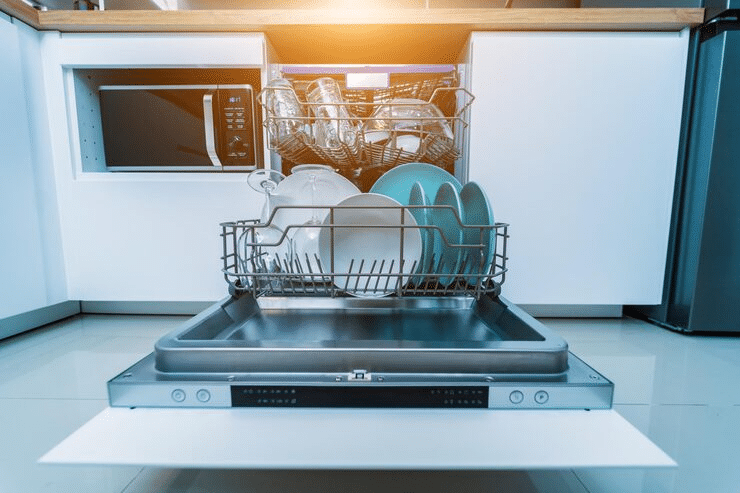
In restaurant kitchens, dishwashing is one of the most underestimated operations—until it becomes a bottleneck. An undersized dishwasher slows service, piles up dirty plates, and increases labor stress. An oversized one wastes space, water, and money. That’s why choosing the correct restaurant dishwasher capacity is essential for smooth operations and hygiene compliance.
This guide answers one key question: How do you determine the right dishwasher capacity for your restaurant kitchen? We’ll break down capacity calculations, dishwasher types, service volume analysis, layout considerations, and expert tips—so you can confidently invest in restaurant dishwasher capacity that fits your kitchen today and scales for tomorrow.
What Does Restaurant Dishwasher Capacity Mean?
Restaurant dishwasher capacity refers to how many racks, plates, or items a commercial dishwasher can clean and sanitize within a specific time—usually measured in racks per hour.
Key Capacity Metrics
- Racks per hour (RPH)
- Plates per hour
- Cycle time per rack
- Peak-load handling ability
Understanding these metrics is the foundation of accurate restaurant dishwasher capacity planning.
read more : restaurant dishwasher equipment UAE : Hygiene & Capacity Guide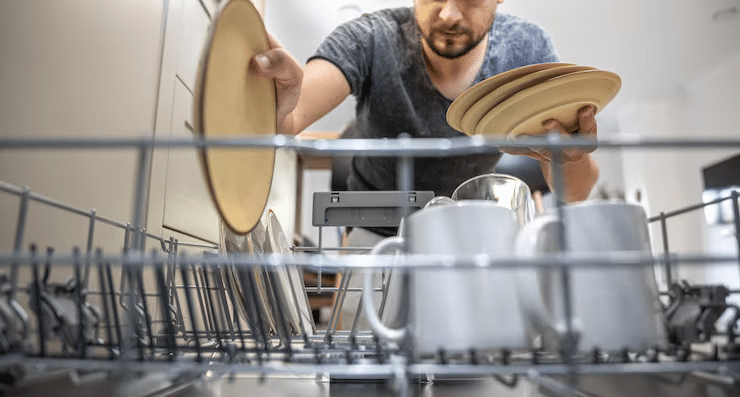
Why Restaurant Dishwasher Capacity Matters More Than You Think
Choosing the wrong capacity affects far more than dishwashing.
Impacts of Incorrect Capacity
- Service delays during peak hours
- Increased labor costs from manual washing
- Higher risk of hygiene violations
- Faster equipment wear and breakdowns
Restaurants that plan proper restaurant dishwasher capacity experience smoother service flow and lower back-of-house stress.
Restaurant Dishwasher Capacity and Peak Service Volume
Dishwasher capacity should be based on peak demand, not average usage.
How to Estimate Peak Load
- Count seats × table turnover rate
- Estimate plates, glasses, and cutlery per guest
- Identify busiest service window (usually 1–2 hours)
Example:
A 100-seat restaurant with 1.5 table turns in peak hour may require a restaurant dishwasher capacity of 60–100 racks per hour.
Dishwasher Types and Their Capacity Ranges (Restaurant Dishwasher Capacity)
Different dishwasher types offer vastly different capacities.
Typical Capacity by Dishwasher Type
- Undercounter dishwashers: 20–60 racks/hour
- Door-type (hood) dishwashers: 60–120 racks/hour
- Conveyor dishwashers: 250–1000+ racks/hour
Matching dishwasher type to required restaurant dishwasher capacity prevents costly over- or under-investment.
Restaurant Dishwasher Capacity vs Kitchen Size & Layout
Space plays a major role in capacity decisions.
Layout Considerations
- Undercounter units suit tight kitchens and bars
- Door-type dishwashers fit mid-size kitchens
- Conveyor systems require dedicated dishwashing zones
A well-designed layout ensures your restaurant dishwasher capacity can be fully utilized without workflow congestion.
Glassware, Cookware & Utensils: Hidden Capacity Factors
Dish capacity isn’t just about plates.
Additional Load Considerations
- Glassware during bar rush hours
- Pots, pans, and trays from prep areas
- Cutlery washing cycles
Ignoring these factors often leads to underestimating restaurant dishwasher capacity needs.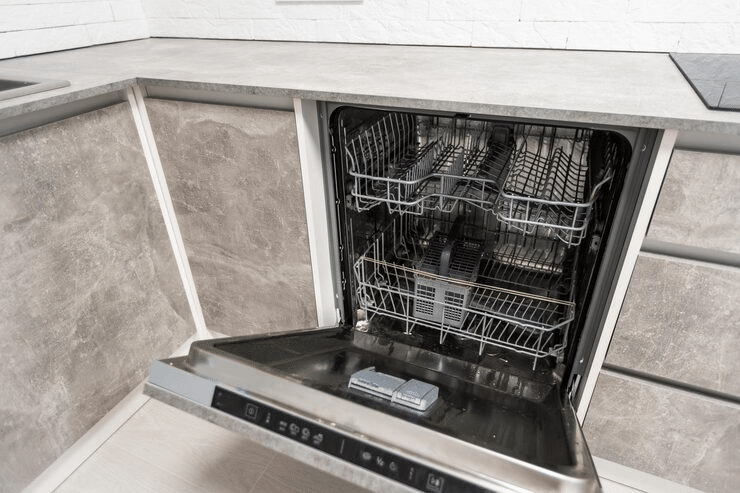
Restaurant Dishwasher Capacity and Labor Efficiency
Higher capacity often reduces labor dependency.
Capacity vs Staffing
- Low capacity = more manual washing
- Right-sized capacity = fewer dishwashers needed
- High capacity = faster turnaround, less overtime
In many kitchens, increasing restaurant dishwasher capacity reduces labor costs enough to justify higher upfront equipment investment.
Energy & Water Use in Relation to Dishwasher Capacity
Bigger doesn’t always mean more efficient—but too small is always inefficient.
Efficiency Tips
- Choose capacity that matches real demand
- Look for high-efficiency, fast-cycle models
- Avoid running half-load cycles repeatedly
Optimized restaurant dishwasher capacity lowers cost per rack and improves sustainability.
read more : Conveyor vs Undercounter Dishwashers for Restaurants
Future-Proofing Restaurant Dishwasher Capacity
Many restaurants grow faster than expected.
Growth Factors to Plan For
- Increased seating or delivery service
- Catering or banquet operations
- Menu expansion requiring more cookware
Actionable Tip:
Always select restaurant dishwasher capacity with a 20–30% buffer for growth and seasonal spikes.
Common Mistakes When Choosing Restaurant Dishwasher Capacity
Avoid these costly errors:
- Planning based on average, not peak volume
- Ignoring glassware and cookware loads
- Choosing capacity based on price alone
- Failing to align capacity with layout
Each mistake leads to inefficiency and undermines restaurant dishwasher capacity performance.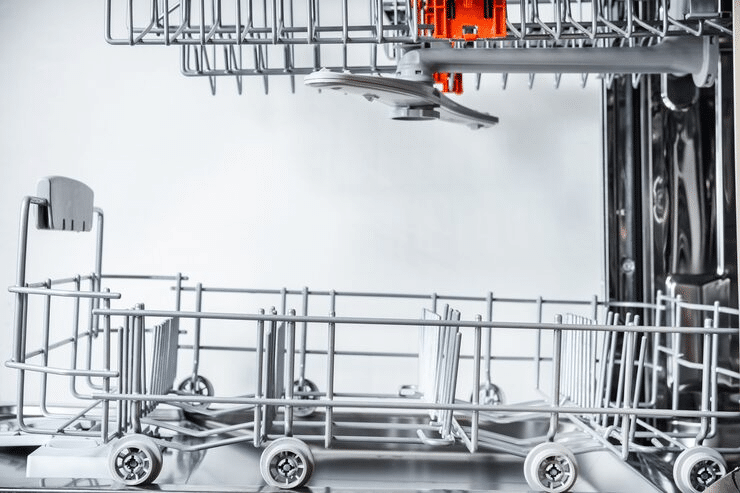
Recommended Restaurant Dishwasher Capacity by Restaurant Type
- Cafés & small bistros: 30–60 racks/hour
- Casual dining restaurants: 60–100 racks/hour
- Fine dining: 80–120 racks/hour (high glassware load)
- High-volume restaurants & hotels: 250+ racks/hour
Matching concept to restaurant dishwasher capacity ensures consistent hygiene and service speed.
Conclusion: Choosing the Right Restaurant Dishwasher Capacity
Choosing the correct restaurant dishwasher capacity is about precision—not guesswork. By analyzing peak service demand, dishwasher types, layout constraints, and future growth, you can select equipment that keeps your kitchen running smoothly, hygienically, and profitably.
A well-sized dishwasher doesn’t just clean plates—it protects your reputation, supports your staff, and keeps service flowing at full speed.
👉 If this guide helped you, share it with fellow restaurant operators, explore our related kitchen equipment articles, or leave a comment with your capacity questions—we’re here to help you make smarter kitchen decisions.
Improve hygiene while reducing labor and operating costs.
Speak with our specialists to choose dishwasher equipment designed for your restaurant’s workload and efficiency goals.






































































 Commercial Cooking Heaters