
Blog
Small Restaurant Refrigeration: Cooling Solutions That Maximize Space


Introduction: Why Refrigeration Choices Matter More in Small Restaurants
Running a small restaurant means every square foot, every dollar, and every piece of equipment must work harder. Unlike large kitchens, small restaurants don’t have the luxury of excess space or oversized systems. That’s why choosing the right small restaurant refrigeration is one of the most critical decisions you’ll make.
The wrong refrigeration setup can lead to overcrowded kitchens, inefficient workflows, food waste, and higher operating costs. This guide answers the key question: How can small restaurants choose refrigeration equipment that balances capacity, efficiency, and space? By the end, you’ll know how to design a small restaurant refrigeration strategy that supports growth, food safety, and profitability.
Understanding Small Restaurant Refrigeration Needs
Small restaurants have unique refrigeration challenges that require thoughtful planning.
Key Factors That Shape Small Restaurant Refrigeration
- Limited kitchen footprint
- High equipment density
- Fast-paced service with minimal storage overflow
- Tight energy and maintenance budgets
Effective small restaurant refrigeration focuses on right-sizing equipment while maintaining flexibility and reliability.
read more : Restaurant Refrigeration Equipment UAE: Complete Cold Storage Guide
Types of Small Restaurant Refrigeration Equipment
Choosing the right equipment mix is essential for compact kitchens.
Common Refrigeration Options
- Reach-in refrigerators & freezers – Vertical storage that saves floor space
- Undercounter refrigerators – Ideal for prep stations and service lines
- Prep table refrigeration – Combines cold storage with workspace
- Compact chest freezers – Bulk storage in tight back-of-house areas
Each piece plays a role in an optimized small restaurant refrigeration system.
Small Restaurant Refrigeration and Space Optimization
Space efficiency is the top priority in small kitchens.
Space-Saving Strategies
- Use vertical reach-in units instead of wide models
- Install undercounter refrigeration beneath prep surfaces
- Combine functions with refrigerated prep tables
From experience, restaurants that layer equipment vertically often increase usable workspace by 20–30%. Smart small restaurant refrigeration design turns tight spaces into efficient production zones.
read more : Cold Storage Capacity Planning for Restaurants
Choosing the Right Size Small Restaurant Refrigeration
Oversized refrigeration wastes energy and space, while undersized units slow operations.
How to Right-Size Equipment
- Analyze menu complexity and ingredient volume
- Factor in delivery frequency
- Plan for peak service periods
Actionable Tip:
Always add a 20% capacity buffer when selecting small restaurant refrigeration to handle seasonal demand and menu growth.
Energy Efficiency in Small Restaurant Refrigeration
Energy costs hit small restaurants especially hard.
What to Look For
- ENERGY STAR–rated units
- High-density insulation
- LED interior lighting
- Efficient compressor systems
Modern small restaurant refrigeration units can reduce energy usage by up to 30%, making efficiency a profit-protecting priority.
Workflow & Speed: Refrigeration Placement Matters
Refrigeration placement directly impacts service speed.
Best Placement Practices
- Undercounter units at high-volume prep stations
- Reach-ins near but not on the cook line
- Freezers positioned away from heat sources
Poor placement forces staff to walk more, open doors longer, and slow service—problems that optimized small restaurant refrigeration prevents.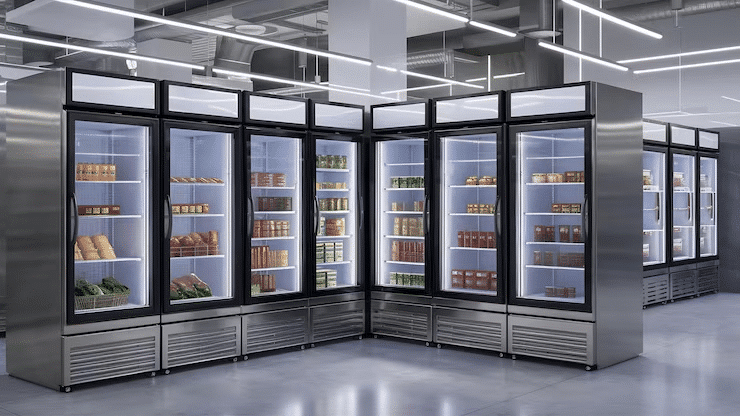
Food Safety & Compliance for Small Restaurant Refrigeration
Compact kitchens increase food safety risks if storage is poorly organized.
Food Safety Best Practices
- Avoid overloading shelves
- Maintain proper airflow
- Separate raw and cooked items
Actionable Tip:
Use labeled shelving and FIFO systems to ensure small restaurant refrigeration supports safe inventory rotation and health code compliance.
read more : Energy-Efficient Refrigeration for Restaurants
Maintenance Tips to Protect Small Restaurant Refrigeration
Regular maintenance prevents breakdowns and extends equipment life.
Essential Maintenance Tasks
- Clean condenser coils every 3–6 months
- Inspect door gaskets for leaks
- Monitor temperatures daily
In small kitchens, even one refrigeration failure can disrupt service entirely. Proactive small restaurant refrigeration maintenance is non-negotiable.
Cost vs ROI: Budgeting for Small Restaurant Refrigeration
Upfront Investment
- Compact units often cost more per cubic foot
- Multi-function equipment reduces total spend
Long-Term ROI
- Lower energy bills
- Reduced food waste
- Faster service and higher table turnover
Well-planned small restaurant refrigeration pays for itself through efficiency and reliability.
Best Small Restaurant Refrigeration Setups by Restaurant Type
- Cafés & bakeries: Undercounter refrigeration + small reach-in freezer
- Quick-service restaurants: Prep table refrigeration + vertical reach-ins
- Food trucks & kiosks: Compact undercounter units only
- Fine dining (small format): Multiple undercounter units for mise en place
Matching equipment to concept ensures small restaurant refrigeration supports—not limits—operations.
Common Small Restaurant Refrigeration Mistakes
Avoid these costly errors:
- Buying residential instead of commercial units
- Ignoring airflow clearance
- Underestimating freezer needs
- Choosing price over efficiency
Each mistake undermines the performance of small restaurant refrigeration and increases long-term costs.
Conclusion: Building the Perfect Small Restaurant Refrigeration Strategy
Choosing the right small restaurant refrigeration is about smart design, not size. By selecting compact, energy-efficient equipment and aligning it with your menu and workflow, you create a kitchen that works faster, safer, and more profitably.
Whether you’re opening your first restaurant or upgrading an existing space, investing in the right small restaurant refrigeration setup protects your food, your staff efficiency, and your bottom line.
👉 If this guide helped you, share it with other small restaurant owners, explore our related kitchen equipment resources, or leave a comment with your refrigeration challenges—we’re here to help you succeed.
👉 Explore reliable freezing line solutions designed for restaurants and food service operations in the UAE.
🔗 View Freezing Line Equipment

































































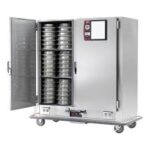 Commercial Cooking Heaters