
Blog
Small Restaurant Kitchen Setup Guide: Space & Budget Optimized

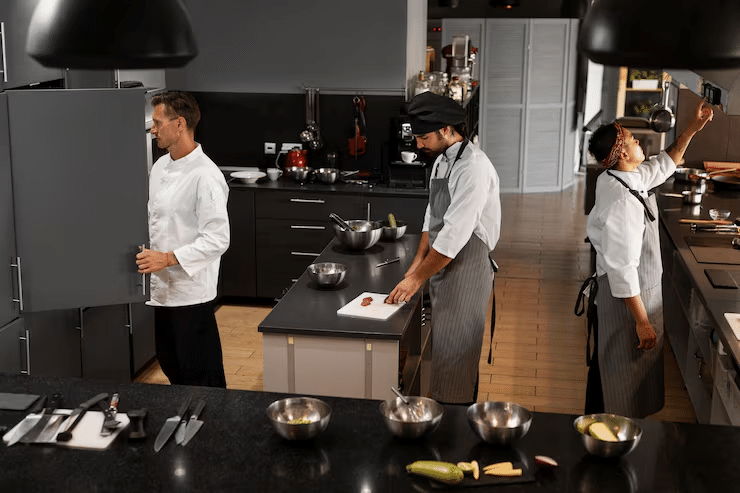
Opening a small restaurant can be an exciting venture, but it comes with its own unique challenges—especially when it comes to creating a small restaurant kitchen setup that’s both efficient and budget-friendly. With limited space and financial constraints, it’s essential to make the most out of every square foot and every dollar. The key to success lies in designing a kitchen layout that maximizes efficiency, minimizes waste, and ensures that your kitchen staff can operate smoothly without sacrificing quality or speed.
In this comprehensive guide, we’ll walk you through the steps needed to set up a small restaurant kitchen setup that works for your space and budget. Whether you’re opening a cozy café, a fast-casual restaurant, or a food truck, these tips will help you create a kitchen that supports your culinary ambitions while being cost-effective.
The Challenges of a Small Restaurant Kitchen Setup
When space and budget are limited, designing a functional kitchen can seem like a daunting task. However, with the right planning, even a small kitchen can run like a well-oiled machine. A small restaurant kitchen setup requires careful attention to layout, equipment, and workflow. By focusing on the essentials and investing in the right tools, you can create a kitchen that operates efficiently without overspending.
Let’s take a look at some common challenges faced when setting up a small restaurant kitchen setup:
- Limited space: Fitting all the necessary equipment into a confined area without making it feel cramped.
- Tight budget: Finding cost-effective equipment and supplies that don’t compromise on quality.
- Efficient workflow: Ensuring that staff can move quickly and easily through each cooking phase without unnecessary steps.
The good news is that it’s entirely possible to overcome these challenges with a smart approach to design and equipment selection.
read more : How to Design a Restaurant Kitchen Layout for High Efficiency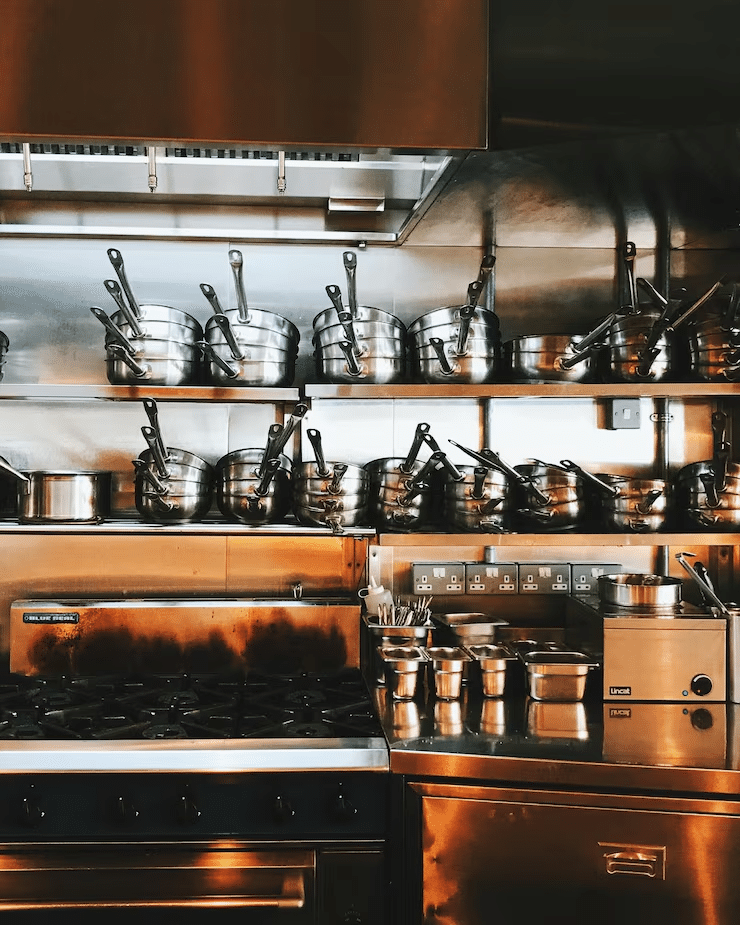
Key Considerations for a Small Restaurant Kitchen Setup
Before diving into specific design ideas and equipment, it’s important to consider a few foundational principles that will guide your small restaurant kitchen setup. By focusing on these core factors, you can make better decisions that will positively impact your kitchen’s overall performance.
1. Understanding Your Menu
The first step in setting up your small restaurant kitchen setup is understanding your menu. The complexity and style of your menu will heavily influence the type of equipment you need and the layout of your kitchen.
For example:
- A small restaurant kitchen setup for a bakery or café might prioritize ovens, coffee machines, and prep stations for pastries.
- A fast-casual restaurant may require fryers, grills, and a small prep area for sandwiches or salads.
- A food truck or mobile kitchen may need compact equipment that can handle a variety of quick cooking methods.
Being clear about what you’ll be cooking allows you to identify which equipment is absolutely necessary and what can be left out.
Contact Our Expert Team for Your Restaurant Design Needs
Looking to create a kitchen layout that maximizes efficiency? Connect with our experts at Al Razana Online for customized restaurant designs tailored to your needs. Get in touch today to discuss your project with us!
2. Maximizing Space Efficiency
When working with limited space, it’s essential to make every square foot count. In a small restaurant kitchen setup, you need to carefully plan where each piece of equipment will go to ensure that the kitchen functions smoothly without feeling cramped.
Consider the following space-saving strategies:
- Compact Equipment: Opt for smaller, more versatile appliances that can handle multiple tasks. For example, a combination oven can be used for baking, roasting, and grilling, saving space on specialized equipment.
- Vertical Storage: Use shelves, cabinets, and wall-mounted storage to keep utensils, ingredients, and tools off the countertop, freeing up valuable workspace.
- Multi-Use Stations: Create multi-functional workstations where staff can perform different tasks (e.g., prepping, cooking, and plating) at the same location.
3. Budgeting Wisely for Equipment
Setting up a small restaurant kitchen setup on a budget requires strategic purchasing decisions. You don’t need to buy the most expensive equipment, but you also can’t afford to cut corners on quality. Prioritize durability and functionality over luxury features.
Here are some tips for budgeting wisely:
- Prioritize Essential Equipment: Focus on the key appliances that are necessary for your menu, such as a stove, refrigerator, prep table, and possibly a fryer or grill.
- Buy Used or Refurbished: Consider buying gently used or refurbished equipment from reputable suppliers. This can save you a significant amount of money without sacrificing quality.
- Invest in Quality Over Quantity: It’s better to invest in a few high-quality, long-lasting pieces of equipment than to buy cheaper, lower-quality items that may break down quickly.
4. Streamlining Workflow
In a small restaurant kitchen setup, the flow of operations is crucial. When space is tight, minimizing the number of steps needed for each task is essential. Ensure that each kitchen station is designed to optimize the cooking process.
For instance:
- Prep stations should be near the storage areas for easy access to ingredients.
- Cooking stations should be close to the plating area to minimize the time it takes to transfer food from the stove or oven to the plate.
- Cleaning stations should be easily accessible for quick cleanup during service.
read more : Restaurant Kitchen Setup in UAE: Complete Planning, Equipment & Cost Guide
Essential Equipment for a Small Restaurant Kitchen Setup
Now that we’ve covered some general principles, let’s dive into the specific equipment that’s essential for a small restaurant kitchen setup. Below is a list of key items you’ll need to include in your kitchen to keep operations running smoothly.
1. Stove/Oven Combo
A stove and oven combo is a must-have in any small restaurant kitchen setup. It allows for versatile cooking methods, including sautéing, frying, and baking, all in one space-saving unit. If your budget allows, consider a double oven setup for greater flexibility during peak hours.
2. Commercial Refrigerator and Freezer
Storage is crucial, especially in a small restaurant kitchen setup. A high-quality refrigerator and freezer will keep perishable ingredients fresh and allow you to store larger quantities of food for preparation. For compact kitchens, consider under-counter refrigerators that provide storage without taking up valuable space.
3. Prep Tables and Counter Space
Ample prep space is essential for food prep, whether you’re chopping vegetables, assembling dishes, or organizing ingredients. Invest in stainless steel prep tables that are durable, easy to clean, and can hold weighty equipment like mixers or cutting boards.
4. Fryer, Grill, or Griddle
Depending on your menu, you may need a fryer, grill, or griddle for cooking proteins, vegetables, or other menu items. Consider compact options like countertop fryers or grills that take up less space but still offer high performance.
5. Dishwashing Station
A dishwashing station is crucial in any small restaurant kitchen setup to keep utensils, plates, and cooking equipment clean and ready for use. If space is extremely limited, consider a commercial under-counter dishwasher that fits into smaller areas but still provides powerful cleaning power.
6. Storage Shelving
Vertical storage is key to keeping your kitchen organized and efficient. Install wall-mounted shelves for dry goods, spices, and other non-perishable items, and use storage bins for quick access to ingredients.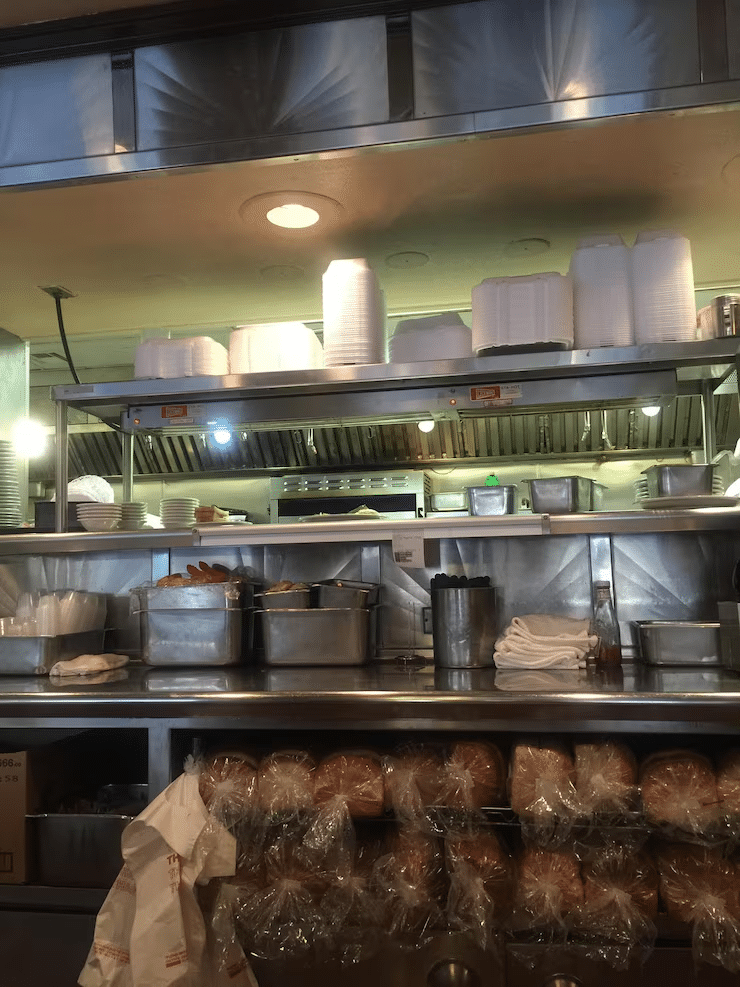
Tips for Maximizing Your Small Restaurant Kitchen Setup
In addition to the fundamental principles discussed above, here are a few extra tips for making your small restaurant kitchen setup even more efficient:
- Invest in Proper Lighting: Good lighting improves visibility in your kitchen, helping staff work more efficiently and safely.
- Create a Heat Zone: Keep hot equipment like fryers and ovens in a designated heat zone to prevent excessive heat buildup in other areas.
- Maintain a Clean and Organized Space: Regularly clean and organize your kitchen to ensure that everything is in its place and ready for use.
Conclusion: Creating the Perfect Small Restaurant Kitchen Setup
Designing a small restaurant kitchen setup requires creativity, strategic planning, and careful budgeting. By focusing on the essentials and optimizing your space, you can create a kitchen that supports both your culinary vision and your business goals. Remember to prioritize equipment that enhances workflow, choose versatile appliances, and maximize every inch of space. With the right setup, even the smallest kitchen can function as a well-oiled machine, delivering high-quality food quickly and efficiently.
If you found this guide helpful, be sure to share it with fellow restaurant owners or aspiring chefs who are working on their own small restaurant kitchen setup. Feel free to leave a comment below with any questions or tips you may have!




































































 Commercial Cooking Heaters