

Blog
Kitchen Safety Standards UAE For Commercial Kitchens


Introduction: Why Understanding Kitchen Safety Standards UAE Is Critical for Every Food Business
Whether you operate a restaurant, café, cloud kitchen, catering business, or hotel, one question determines your long-term success in the UAE:
Are you fully compliant with the required safety regulations?
Commercial kitchens face strict inspection criteria by Dubai Municipality, Abu Dhabi Food Safety Authority, and the UAE Civil Defense. Failure to meet these kitchen safety standards UAE can lead to fines, business closure, equipment confiscation, or—worst of all—accidents that put staff and customers at risk.
This comprehensive guide reveals every major safety requirement, practical examples, expert tips, and essential compliance strategies to help you operate a safe and legally compliant kitchen in the UAE.
1. Understanding the Core Kitchen Safety Standards UAE (Official Requirements)
Commercial kitchens in the UAE must comply with guidelines set by:
- Dubai Municipality – Food Safety Department
- Civil Defense
- Abu Dhabi Agriculture & Food Safety Authority (ADAFSA)
- UAE Fire and Life Safety Code
These bodies regulate:
- Kitchen layout
- Fire suppression systems
- Ventilation standards
- Equipment installation
- Food handling practices
- Hygiene protocols
These standards apply to all types of kitchens—from restaurants and cafeterias to food trucks and cloud kitchens.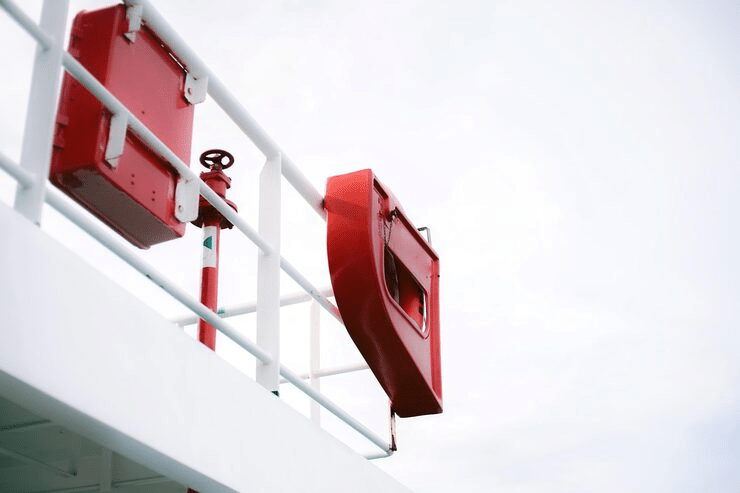
2. Fire Safety Requirements — Essential Kitchen Safety Standards UAE Must Follow
Fire is the number one risk in commercial kitchens. The UAE mandates strict fire prevention and mitigation systems.
Mandatory Fire Safety Features Include:
1. Fire Suppression System (Wet Chemical System)
This automatically extinguishes fires above cooking stations.
2. Fire-Rated Hood & Ducting
Hoods must:
- Be stainless steel
- Include grease filters
- Meet fire-resistance ratings
3. Emergency Shut-Off Valves
Gas must shut off automatically during emergencies.
4. CO2 or Dry Chemical Extinguishers
Placed strategically near exit points and cooking lines.
5. Staff Fire Training
Employees must be trained to handle emergencies, alarms, and evacuation.
Improper fire safety compliance is one of the most common violations detected during inspections.
3. Ventilation & Airflow Compliance: A Critical Component of Kitchen Safety Standards UAE
Proper ventilation is essential for:
- Removing smoke and steam
- Reducing heat
- Preventing oil residue buildup
- Maintaining indoor air quality
- Complying with Civil Defense regulations
Ventilation Requirements:
- Commercial-grade hood with grease filters
- Exhaust and fresh air systems
- Air balancing to stabilize airflow
- Odor-control systems for restaurants in residential zones
Pro tip: Poor ventilation doesn’t just violate regulations—it increases AC bills dramatically.
read more : Energy Efficient Kitchen Equipment for UAE Restaurants
4. Hygiene & Sanitation Rules Under Kitchen Safety Standards UAE
Food hygiene is heavily regulated. Dubai Municipality conducts surprise inspections to ensure compliance.
Mandatory Hygiene Elements Include:
1. Non-Absorbent Flooring
Materials like epoxy or ceramic tiles are required.
2. Washable Wall Finishes
To prevent bacterial buildup.
3. HACCP-Compliant Surfaces
Stainless steel countertops are recommended.
4. Handwash Sinks & Sanitizers
Must be available in all food-handling areas.
5. Proper Waste Disposal
Color-coded bins help prevent contamination.
6. Pest Control Measures
Kitchens must be sealed and regularly monitored.
7. Time-Temperature Controls
Cold food: below 5°C
Hot food: above 60°C
Kitchens that violate hygiene standards risk immediate closure.
5. Equipment Installation Rules — Part of Critical Kitchen Safety Standards UAE
Proper equipment installation protects staff and prevents accidents.
Key Installation Rules Include:
- Gas equipment must be installed by Civil Defense–approved technicians
- Electrical appliances must match the kitchen’s power load
- Equipment spacing must allow proper airflow
- Hot and cold zones must be separated
- Heavy-duty appliances require secure floor mounting
- Exposed wiring is strictly prohibited
Overloaded electrical systems remain one of the top causes of kitchen fires.
6. Food Handling & Storage Rules — Required by Kitchen Safety Standards UAE
Safe Food Handling Includes:
- Using color-coded chopping boards
- Ensuring staff wear gloves, hairnets, and protective clothing
- Washing hands between tasks
- Avoiding cross-contamination
Safe Storage Includes:
- Proper labelling of all food
- FIFO (First In, First Out) system
- Dedicated storage for raw, cooked, and ready-to-eat items
- Separate freezer and chiller shelves for different food groups
Tracking temperature logs daily is mandatory.
7. Staff Training Requirements Under Kitchen Safety Standards UAE
A safe kitchen depends on trained employees.
read more : How to Build a Commercial Kitchen from Scratch in the UAE (2025 Professional Guide)
Mandatory Staff Training Areas:
- Fire safety
- Personal hygiene
- Food safety handling
- Equipment usage
- Hazard reporting
Most UAE restaurants require staff to hold an official Food Handler Certificate.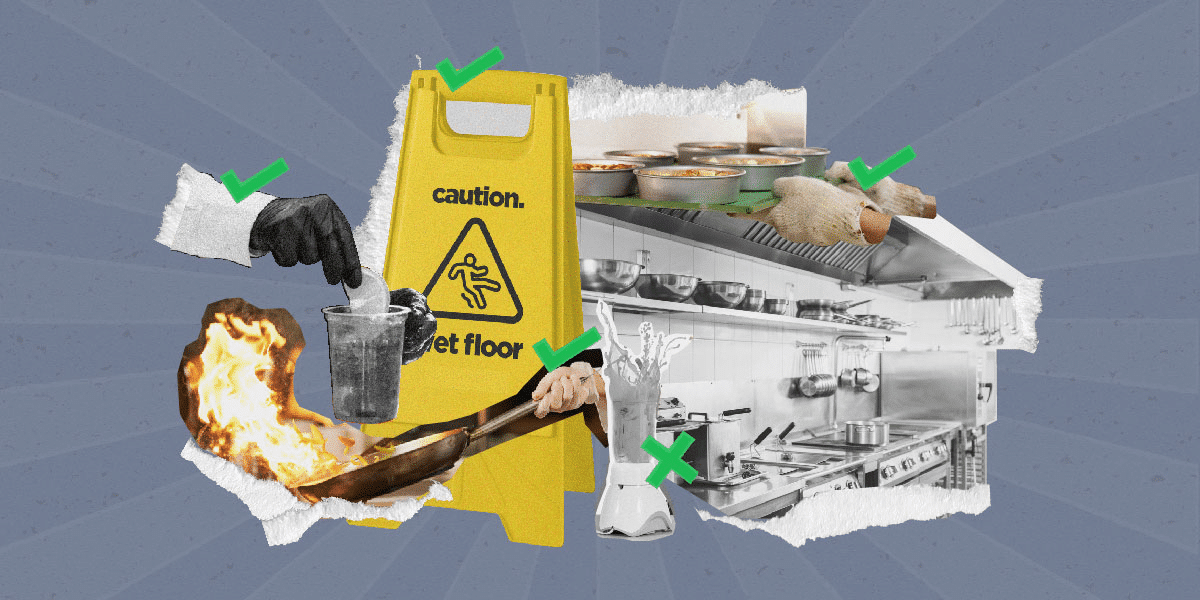
8. Kitchen Layout Compliance — A Core Part of Kitchen Safety Standards UAE
The UAE Food Code mandates layout rules to ensure smooth workflow and prevent contamination.
Layout Requirements Include:
- Separate zones for raw and cooked food
- Distinct preparation, cooking, and cleaning zones
- Proper spacing between equipment
- Clear emergency exit paths
- Adequate lighting for all work areas
A well-designed layout improves both safety and efficiency.
9. Cleaning & Maintenance Protocols Required by Kitchen Safety Standards UAE
Daily and weekly cleaning routines are essential for compliance.
Daily Cleaning Checklist:
- Sanitizing surfaces
- Cleaning fryers, grills, and ovens
- Emptying grease traps
- Washing floors and walls
- Checking refrigerators for expired items
Weekly/Monthly Maintenance:
- Deep cleaning hoods and ducts
- Inspecting fire suppression systems
- Equipment calibration
- Checking drainage systems
- Pest control treatments
Neglecting maintenance quickly leads to violations.
10. Common Violations of Kitchen Safety Standards UAE (and How to Avoid Them)
Top Violations Include:
- Blocked emergency exits
- Inadequate ventilation
- Poor hygiene practices
- Improper waste management
- Missing fire suppression systems
- Unsafe equipment installation
How to Avoid Them:
- Conduct monthly internal audits
- Train staff continuously
- Hire professionals for installations
- Maintain up-to-date safety records
Equip Your Kitchen for Full UAE Safety Compliance
Meeting kitchen safety standards UAE starts with choosing the right tools and equipment.
Upgrade your kitchen with high-quality, certified, and safety-compliant appliances today.
👉 Browse our Commercial Kitchen Equipment collection
Your staff’s safety, your customers’ trust, and your business license all depend on proper safety planning.
Conclusion: Why Kitchen Safety Standards UAE Should Be a Top Priority in Your Food Business
Following kitchen safety standards UAE isn’t just about avoiding fines—it’s about creating a safe, efficient, and legally compliant environment where your team can work confidently and your customers can trust your food.
Key Takeaways:
- Fire suppression, ventilation, hygiene, and layout are the foundation of safety
- Staff training and proper equipment installation are mandatory
- Regular inspections and maintenance prevent violations
- Investing in the right equipment ensures long-term compliance
Start making your kitchen safer today by equipping it with certified tools designed to meet the UAE’s highest standards.
Visit the Commercial Kitchen Equipment category now and take the first step toward full compliance.




























































 Commercial Cooking Heaters