
Blog
How to Build a Commercial Kitchen UAE (2025 Professional Guide)

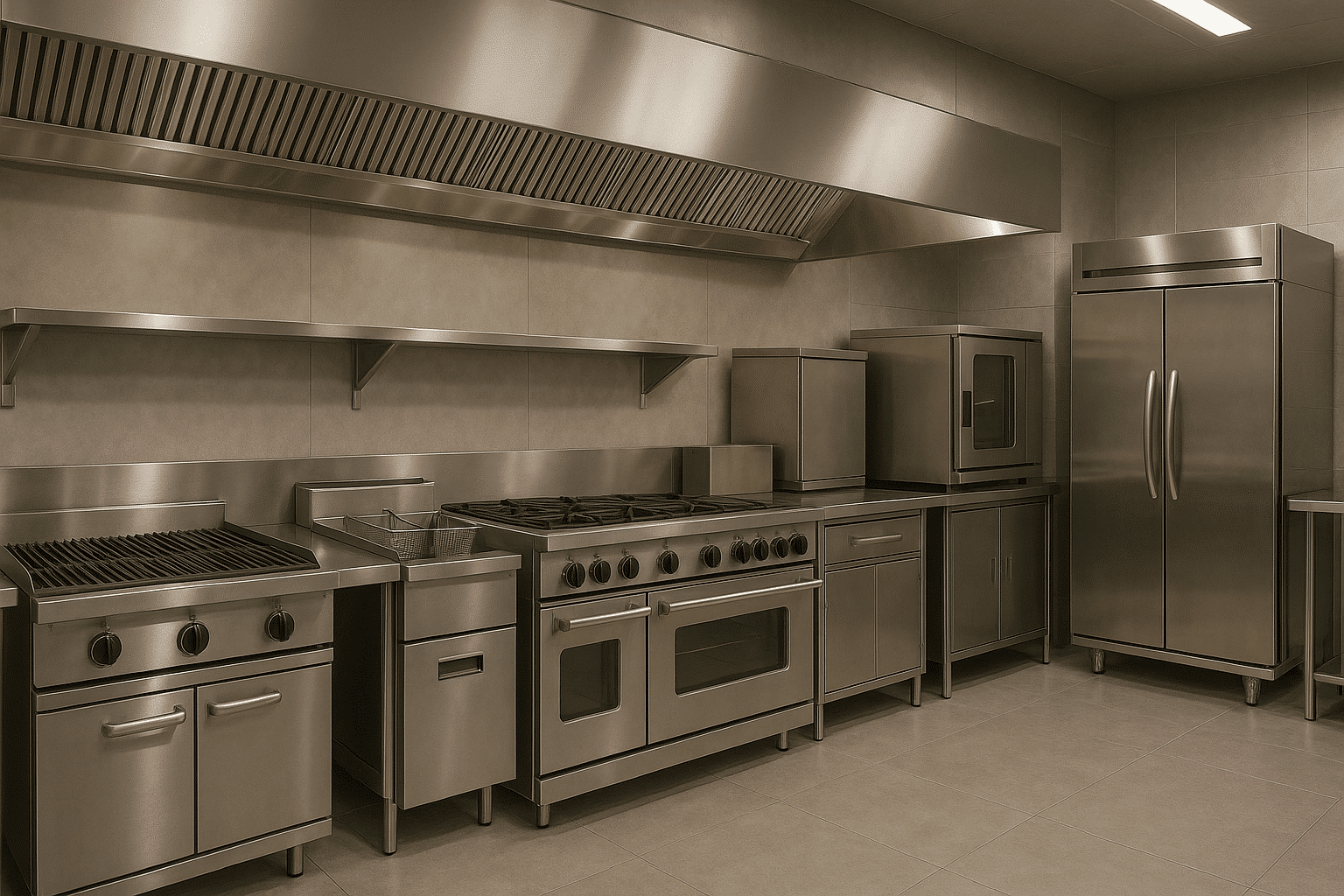
A commercial kitchen is the heart of every restaurant, café, cloud kitchen, catering company, and food-production business in the UAE. Building it from scratch requires more than selecting equipment — it involves planning workflow, meeting safety standards, ensuring municipality compliance, choosing the right ventilation, and investing in appliances that deliver long-term value.
This expert guide walks you step-by-step through the complete process of designing, planning, and equipping a commercial kitchen in the UAE. Whether you’re launching a restaurant in Dubai, opening a cloud kitchen in Sharjah, or upgrading a catering facility in Abu Dhabi, this guide gives you everything you need to build a high-performance, HACCP-ready kitchen.
Introduction: Why Commercial Kitchen Design Matters in the UAE
Commercial kitchens in the UAE must meet strict hygiene, safety, and workflow standards. Poor planning leads to slow service, cross-contamination risks, wasted space, equipment failure, and higher operating costs. A properly designed kitchen:
- Maximizes speed & workflow efficiency
- Ensures food-safety compliance (HACCP & Municipality)
- Reduces staff movement and errors
- Protects food quality
- Extends equipment lifespan
- Minimizes electricity & gas usage
- Supports high-volume production efficiently
Building your kitchen correctly from day one saves thousands of dirhams in unnecessary changes later.
read more : Top 20 Must-Have Equipment for Restaurants in Dubai
Step 1: Define Your Menu — The Foundation of Kitchen Design
Your MENU determines 80% of your kitchen equipment.
Before buying anything, answer:
- What cuisine do you serve? (Arabic, Indian, Italian, Asian, Turkish…)
- Hot kitchen or cold kitchen?
- Do you have grilling, frying, baking, roasting, or steaming?
- How many dishes require high-heat?
- Will the kitchen operate dine-in, delivery, or catering?
- What is your expected peak-hour order volume?
Restaurants that skip this step end up wasting money on unnecessary machines.
Step 2: Choose the Right Kitchen Layout (UAE-Approved Designs)
Commercial kitchens in the UAE typically use one of the following layouts:
1. Assembly-Line Layout (Perfect for fast food & high-volume kitchens)
Food flows in one direction: prep → cook → assemble → pass.
2. Zone-Style Layout (Ideal for multi-cuisine restaurants)
Separate areas for sautéing, grilling, frying, baking, prep, and dishwashing.
3. Island Layout (Premium restaurants & large back-of-house)
Cooking ranges & grills in the center with prep stations around.
4. Open Kitchen Layout (Steakhouses, cafés, modern restaurants)
Combines performance & customer experience.
Layout Rules Required in UAE:
✔ Hot and cold areas must be separated
✔ Raw vs cooked food must not cross paths
✔ Proper dishwashing flow (dirty → wash → clean area)
✔ Separate hand-wash sink
✔ Fire-suppression system must be accessible
✔ Ventilation duct must lead outdoors
Step 3: Plan the Kitchen Workflow (The “Golden Triangle”)
A high-performance commercial kitchen uses the Golden Triangle workflow:
- Preparation Area
- Cooking Area
- Cleaning Area
This reduces unnecessary movement, prevents cross-contamination, and speeds up service.
Step 4: Choose Essential Commercial Kitchen Equipment (UAE Standard List)
Below is the core equipment required in almost all UAE commercial kitchens:
Cooking Equipment
- 4–8 burner gas or electric cooking range
- Flat griddle
- Charbroiler or charcoal grill
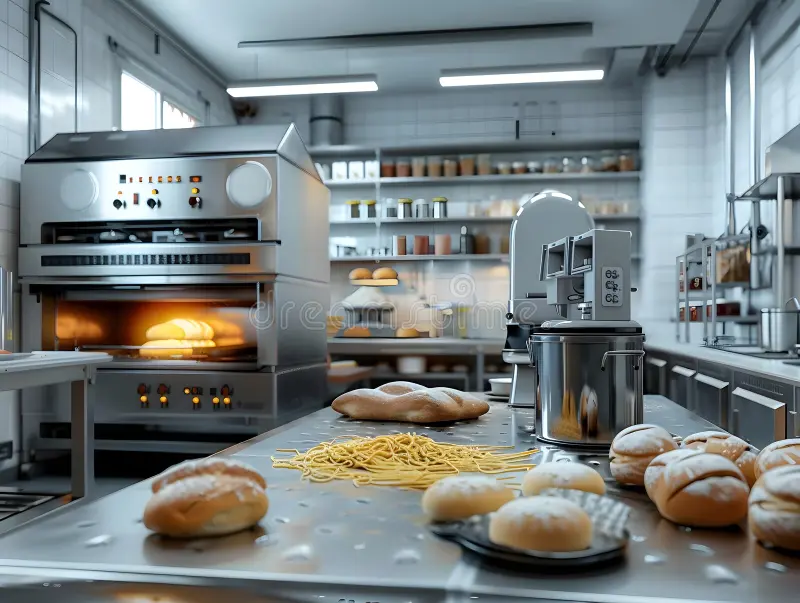
- Commercial oven (combi, convection, or deck)
- Fryer (single or double tank)
Refrigeration & Freezing
- Reach-in refrigerator
- Undercounter refrigerator
- Worktop chiller
- Freezer
- Blast chiller (mandatory for HACCP setups)
Food Preparation Tools
- Food processor
- Cutting machines & vegetable slicers
- Dough mixers (for bakeries and pizzerias)
- Meat slicers & grinders
Stainless Steel Fabrication
- Prep tables
- Sinks
- Storage shelving
- Wall shelves
Dishwashing
- Undercounter dishwasher
- Hood-type dishwasher\
- Three-compartment sink
Ventilation & Safety
- Hood system
- Ducting
- Fire suppression system (UAE requirement)
Step 5: Understand UAE Municipality Requirements
Before building, ensure your kitchen passes the below checks:
Key Municipality Requirements
HACCP Requirements for Larger Facilities
- Blast chilling capacity
- Temperature monitoring logs
- Hygienic storage
- Separate raw/cooked zones
- Regular staff training
Failure to comply delays approvals and risks fines.
Step 6: Install Proper Ventilation & Exhaust Systems
Ventilation is one of the most important — and most regulated — aspects of UAE commercial kitchens.
Ventilation Checklist
✔ Hood canopy size must cover cooking equipment
✔ Airflow per DUCT must match kitchen size
✔ Fire suppression connection inside hood
✔ Heat- and grease-resistant ducting
✔ Fresh-air makeup system for balance
Bad ventilation = failed inspections + unsafe kitchen + overheated staff.
Step 7: Stainless Steel Fabrication & Customization
Custom-built stainless steel items create a more hygienic & productive workspace.
Essential Fabricated Items
- Prep tables
- Sink units
- Shelves
- Cabinets
- Handwash stations
- Wall-mounted shelves
High-end kitchens in Dubai often require bespoke fabrication with 304-grade stainless steel.
Step 8: Plan Electricity, Gas, and Water Connections
Electricity
- Ensure 3-phase power for heavy equipment
- Use proper circuit breakers
- Dedicated lines for ovens, dishwashers, and chillers
Gas
- Approved gas pipeline
- Emergency shut-off valves
- Certified gas technician installation
Water
- Stable pressure
- Hot & cold lines where required
Step 9: Determine Space Requirements
UAE guidelines recommend:
- 40–60% cooking & prep
- 20–30% dishwashing & cleaning
- 10–20% dry & cold storage
Cloud kitchens need a tighter, more efficient layout.
read more : Complete Guide to Commercial Kitchen Equipment in the UAE
Step 10: Build a Maintenance Strategy from Day One
Maintenance is not optional — it’s a cost-saving investment.
What to Plan
- Monthly fridge servicing
- Deep cleaning schedules
- Hood & duct cleaning every 3 months
- Descaling for dishwashers
- Gas leak inspections
- Compressor servicing
Proper maintenance extends equipment life by 40–60%.
Step 11: Estimate the Total Cost of Building a Commercial Kitchen in the UAE
Costs vary based on menu & size, but here are realistic ranges:
| Kitchen Type | Estimated Cost (AED) |
| Small café | 40,000 – 120,000 |
| Cloud kitchen | 70,000 – 180,000 |
| Medium restaurant | 120,000 – 350,000 |
| Premium restaurant | 250,000 – 700,000 |
Conclusion
Building a commercial kitchen from scratch in the UAE requires detailed planning, professional layout design, high-quality equipment, and strict compliance with Dubai, Abu Dhabi, and Sharjah municipality standards.
Partnering with a trusted supplier like Alrazana Kitchen Equipment ensures you receive the right appliances, expert installation, stainless steel fabrication, and long-term support to keep your kitchen operating at the highest standards.
How long does it take to build a commercial kitchen in the UAE?
Typically 2–6 weeks depending on size, fabrication, and approvals.
Do I need a blast chiller to pass inspections?
For most professional kitchens, especially catering and cloud kitchens — YES.
Who approves commercial kitchen layouts in Dubai?
Dubai Municipality Food Safety Department.
Is it better to choose gas or electric equipment in the UAE?
Gas is preferred for high-heat cooking; electric offers precise control.
Can Alrazana help with full kitchen setup?
Yes — from layout design to equipment supply, installation, and maintenance.
































































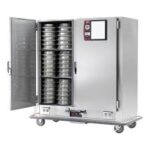 Commercial Cooking Heaters