
Blog
Fast Food Restaurant Kitchen Setup Requirements UAE

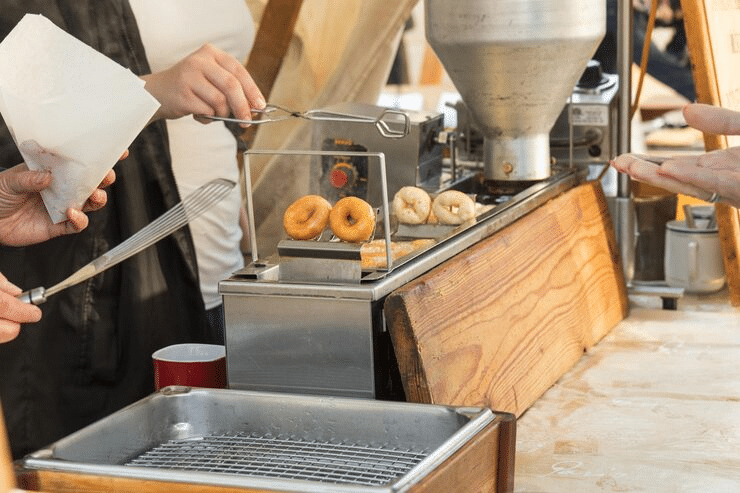
Opening a fast food restaurant is an exciting venture that promises high returns, but it also comes with its fair share of challenges. One of the most crucial aspects of your restaurant’s success is a well-organized kitchen. The Fast Food Restaurant Kitchen Setup is more than just a space where food is prepared—it’s a critical component that affects efficiency, food quality, and safety. Whether you’re opening a small takeout shop or a large fast food chain, setting up your kitchen correctly is key to smooth operations and customer satisfaction.
In this article, we’ll explore the essential requirements for a Fast Food Restaurant Kitchen Setup, including the equipment, layout, compliance, and practical tips for making your kitchen both functional and cost-effective. Whether you’re a seasoned restaurateur or a first-time business owner, this guide will provide valuable insights to help you plan and execute your kitchen setup.
Why a Well-Designed Fast Food Restaurant Kitchen Setup is Important
In the fast food industry, speed, efficiency, and consistency are paramount. A well-planned Fast Food Restaurant Kitchen Setup not only enhances the flow of work but also reduces downtime, minimizes the risk of accidents, and ensures that food safety regulations are met. Additionally, it can improve your staff’s performance, reduce food waste, and keep operational costs low.
Before diving into the specifics of what your kitchen needs, let’s discuss the core objectives of a fast food kitchen:
- Speed and Efficiency: The kitchen layout should allow for quick preparation and smooth service.
- Quality Control: Ensuring consistency in food quality is key to building a loyal customer base.
- Safety and Hygiene: Fast food restaurants must comply with strict health and safety standards.
- Cost Management: A well-optimized kitchen setup helps minimize energy consumption, food waste, and maintenance costs.
Contact Our Expert Team for Your Restaurant Needs - Looking to create a kitchen layout that maximizes efficiency? Connect with our experts at Al Razana Online for customized restaurant designs tailored to your needs. Get in touch today to discuss your project with us!

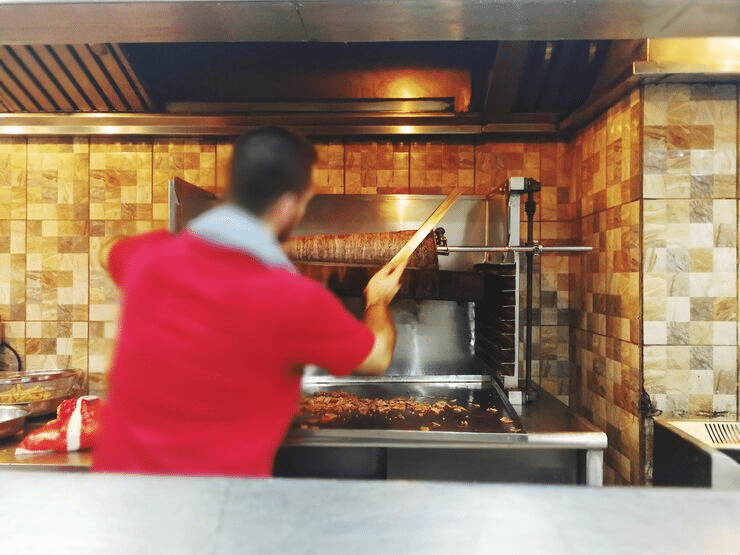
Core Elements of a Fast Food Restaurant Kitchen Setup
When designing a Fast Food Restaurant Kitchen Setup, there are several key components to consider. Each of these elements contributes to the overall functionality, safety, and efficiency of your kitchen.
1. Kitchen Equipment
Fast food kitchens require a variety of specialized equipment to handle high volumes of food preparation in a short time. Here’s a breakdown of the essential equipment:
- Cooking Equipment: This includes fryers, grills, ovens, griddles, and toasters. Fast food kitchens rely heavily on fryers and grills, so investing in durable and high-quality equipment is crucial.
- Refrigeration: Commercial refrigerators, freezers, and display fridges are necessary to store ingredients and ensure food stays fresh.
- Food Preparation Equipment: Food processors, blenders, mixers, and slicers help with quick and efficient food prep.
- Dishwashing Equipment: A commercial dishwasher, sinks, and drying areas are essential for maintaining cleanliness and food safety.
- Storage: Shelving units, walk-in storage, and cabinets are needed for dry goods, ingredients, and cleaning supplies.
The cost of this equipment can vary based on your restaurant’s size and the volume of food you expect to prepare. On average, setting up your kitchen with the necessary cooking and storage equipment can cost between AED 50,000 to AED 100,000.
read more : Restaurant Kitchen Setup in UAE: Complete Planning, Equipment & Cost Guide
2. Kitchen Layout and Design
The Fast Food Restaurant Kitchen Setup requires a design that supports quick cooking and assembly. Efficiency is key, as customers expect fast service. Here are a few essential design considerations:
- Workflow: The kitchen should be divided into distinct areas, such as the cooking area, food prep area, and cleaning zone. This creates a natural flow and minimizes the movement of staff.
- Space Optimization: Use space-saving equipment and design the layout to maximize storage and cooking capacity. The goal is to minimize wasted space and improve traffic flow in the kitchen.
- Ventilation and Airflow: Proper ventilation is essential to maintain a comfortable working environment and to prevent the buildup of smoke or fumes from cooking. Install high-quality exhaust systems and air conditioning to regulate temperature and air quality.
- Safety and Compliance: Ensure the kitchen complies with local health and safety regulations, including fire safety standards and food storage guidelines.
3. Compliance and Licensing Requirements
Every restaurant in the UAE must meet specific health, safety, and sanitation standards. The Fast Food Restaurant Kitchen Setup must comply with these regulations to ensure a safe working environment and avoid legal issues. Key compliance aspects include:
- Food Safety: Fast food kitchens must follow strict food handling and storage practices to prevent contamination. This includes maintaining proper temperatures for refrigerated and frozen items.
- Fire Safety: Installing fire extinguishers, fire alarms, and proper ventilation systems is critical. Fast food kitchens often deal with high heat, so fire safety should be a top priority.
- Health Inspections and Certifications: Local health authorities will inspect your restaurant before granting an operating license. Make sure your kitchen adheres to all health codes and regulations to avoid fines or closure.
- Employee Safety: Kitchens can be hazardous places, so staff training on food handling, cleaning, and equipment use is essential for maintaining safety.
4. Plumbing and Electrical Setup
The Fast Food Restaurant Kitchen Setup needs an efficient plumbing and electrical system. These setups are integral to the functioning of your kitchen and can affect both safety and performance.
- Plumbing: Proper water supply, drainage, and waste disposal systems are necessary for cleaning and maintaining hygiene. Installing sinks, dishwashers, and waste disposal units must be done carefully to comply with local regulations.
- Electrical: Electrical outlets, lighting, and wiring must be capable of supporting heavy-duty kitchen equipment like ovens, fryers, and refrigerators. Ensure your kitchen has a sufficient power supply to prevent equipment malfunction.
Typically, plumbing and electrical installation can cost anywhere from AED 10,000 to AED 30,000, depending on the complexity of the setup.
5. Staffing and Workflow Considerations
In a fast food kitchen, efficiency and speed are paramount. Hiring the right staff and ensuring a smooth workflow is essential for maximizing productivity.
- Role Definition: In a fast food kitchen, staff are typically divided into roles such as fryers, grillers, prep cooks, and dishwashers. Clearly defining roles can help reduce confusion and improve operational efficiency.
- Training: Providing proper training on equipment use, safety standards, and food prep techniques will enhance speed and reduce errors in food preparation.
- Shift Management: Since fast food restaurants often operate for extended hours, it’s important to have a shift management system that ensures there are enough hands on deck during peak hours.

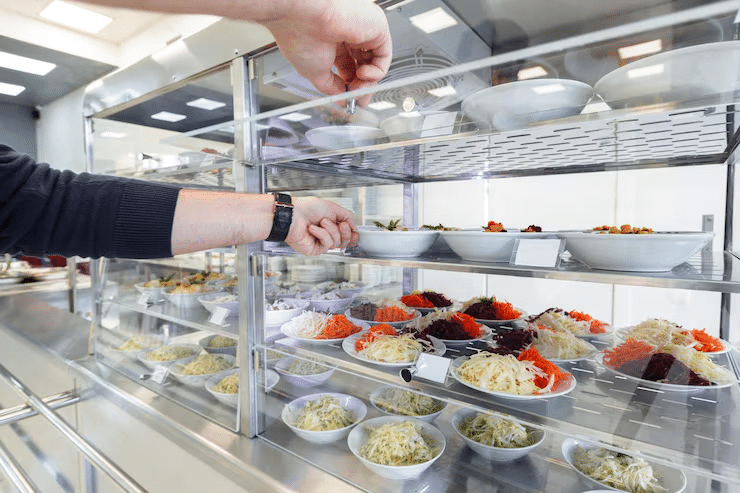
6. Budgeting for Your Fast Food Restaurant Kitchen Setup
A well-structured budget is essential for managing the Fast Food Restaurant Kitchen Setup costs effectively. Here’s how to break down your budget:
- Initial Investment: Allocate funds for equipment, plumbing, electrical setup, and design. This can range from AED 50,000 to AED 150,000, depending on the size and complexity of the setup.
- Operational Costs: Include ongoing expenses for equipment maintenance, food supplies, utilities, and staff salaries.
- Contingency Fund: Always set aside 10-15% of your budget for unforeseen expenses, such as emergency repairs or changes in design.
read more : Small Restaurant Kitchen Setup Guide (Space & Budget Optimized)
Conclusion: Building a Successful Fast Food Restaurant Kitchen Setup
The Fast Food Restaurant Kitchen Setup is one of the most important aspects of launching your fast food business. A well-designed, efficient, and compliant kitchen will not only ensure smooth operations but also improve food quality, safety, and staff productivity.
By carefully considering the essential components like kitchen equipment, layout, compliance, and plumbing, you can create a workspace that supports your business’s growth. Make sure to allocate your budget wisely, prioritize key investments, and adhere to local regulations to avoid unnecessary costs.
Starting a fast food restaurant in the UAE is a rewarding endeavor, and with the right Fast Food Restaurant Kitchen Setup, you’ll be able to provide your customers with quick, delicious meals while maintaining a smooth, efficient operation. Ready to get started? Feel free to share your thoughts or ask questions in the comments section below!
Contact Our Expert Team for Your Restaurant Design Needs
Looking to create a kitchen layout that maximizes efficiency? Connect with our experts at Al Razana Online for customized restaurant designs tailored to your needs. Get in touch today to discuss your project with us!







































































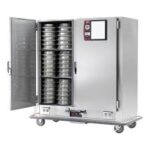 Commercial Cooking Heaters