
Blog
Commercial Fryers for Restaurants: Types, Capacity & Cost

Introduction: Why Commercial Fryers Matter in Restaurant Kitchens
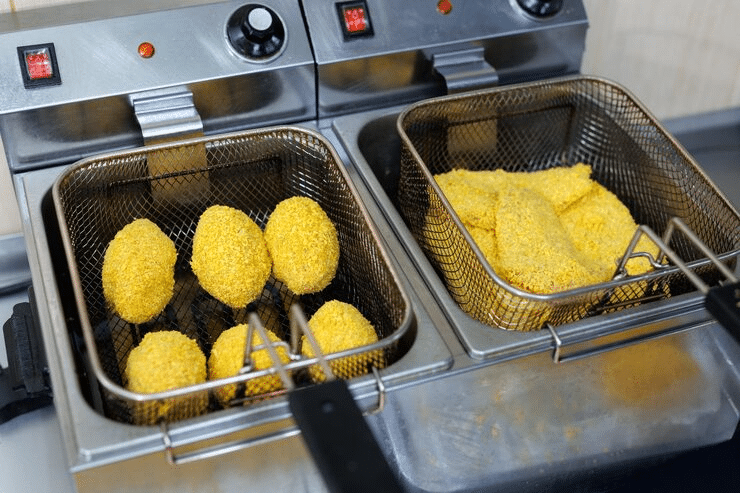
From crispy fries and golden chicken to tempura, falafel, and seafood, fried foods are menu staples across restaurants worldwide. The quality, speed, and consistency of these items depend heavily on one key piece of equipment: the fryer. Choosing the wrong fryer can result in uneven cooking, high oil consumption, slow service, and unnecessary expenses. That’s why understanding commercial fryers for restaurants is essential for building an efficient, profitable kitchen.
This guide explores everything restaurant owners and chefs need to know about commercial fryers for restaurants, including fryer types, capacity planning, pricing considerations, and practical buying advice. Whether you run a fast-food outlet, casual dining restaurant, or high-volume kitchen, this article will help you make informed decisions.
What Are Commercial Fryers for Restaurants?
Commercial fryers for restaurants are heavy-duty frying units designed for continuous use in professional kitchens. Unlike domestic fryers, they are built to handle high volumes, maintain stable oil temperatures, and deliver consistent results during peak service hours.
Core Features of Commercial Fryers
- High-capacity oil tanks
- Powerful heating elements or gas burners
- Fast recovery times
- Durable stainless-steel construction
- Built-in safety controls
Investing in the right commercial fryers for restaurants directly impacts food quality, service speed, and operating costs.
read more : Commercial Cooking Equipment for Restaurants in UAE: Buying & Capacity Guide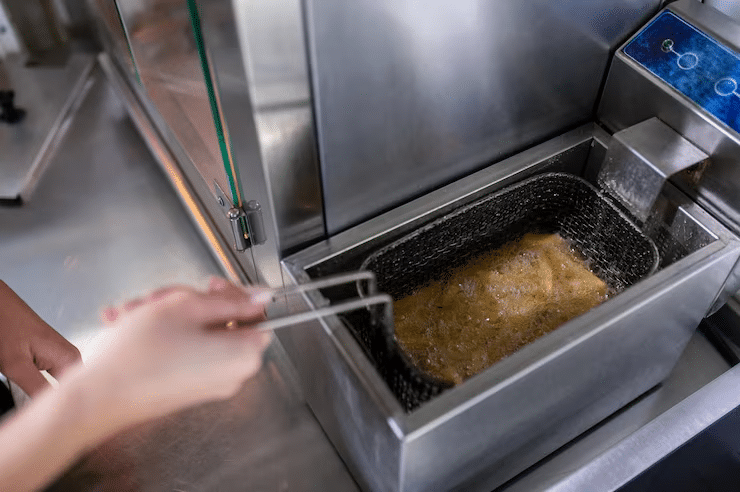
Types of Commercial Fryers for Restaurants
Choosing the correct fryer type is one of the most important decisions in kitchen planning.
Open-Pot Fryers
Open-pot models are the most common commercial fryers for restaurants.
- Easy to clean and maintain
- Ideal for fries, onion rings, and snacks
- Suitable for medium- to high-volume kitchens
Tube-Type Fryers
These fryers use internal tubes to heat the oil.
- Excellent for breaded items like chicken
- Reduced sediment burning
- Longer oil life
Tube-type commercial fryers for restaurants are popular in fast-food and fried chicken operations.
Flat-Bottom Fryers
Designed without tubes, allowing crumbs to settle at the bottom.
- Best for delicate foods like fish
- Easier oil filtration
- Even heat distribution
Pressure Fryers
Pressure fryers cook food faster using sealed pressure.
- Ideal for fried chicken
- Juicier food with crisp texture
- Higher initial investment
Pressure-style commercial fryers for restaurants are common in high-volume chicken concepts.
A well-equipped kitchen is the foundation of every successful restaurant. By selecting high-quality restaurant kitchen equipments from alrazanaonline, you can boost productivity, streamline workflows, and create a professional kitchen environment that supports your team’s performance every day.
Gas vs Electric Commercial Fryers for Restaurants
Both options have advantages depending on kitchen infrastructure and operating costs.
Gas Fryers
- Faster heat recovery
- Lower energy costs in many regions
- Ideal for high-volume frying
Electric Fryers
- Precise temperature control
- Easier installation
- Suitable for smaller kitchens
Choosing between gas and electric commercial fryers for restaurants depends on utility availability, kitchen size, and production volume.
Capacity Planning for Commercial Fryers for Restaurants
Capacity is not just about tank size—it’s about output per hour.
Key Capacity Factors
- Daily fried food demand
- Peak service volume
- Menu diversity
- Basket size and recovery rate
Undersized commercial fryers for restaurants slow down service and overload staff, while oversized units waste oil and energy.
💡 Expert Tip: Plan fryer capacity based on peak-hour demand, not average daily sales.
Single vs Multiple Fryer Systems
Restaurants often choose between single large fryers or multiple smaller units.
Single Fryer Systems
- Lower initial cost
- Simpler operation
- Limited menu flexibility
Multiple Fryer Systems
- Dedicated fryers for different foods
- Better flavor control
- Higher output capacity
High-volume kitchens often rely on multiple commercial fryers for restaurants to handle simultaneous orders efficiently.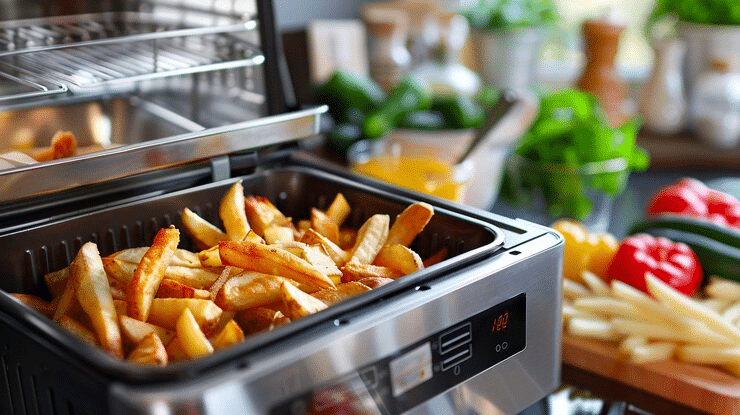
Oil Management and Filtration Systems
Oil quality directly affects taste and operating costs.
Benefits of Built-In Filtration
- Extended oil life
- Improved food flavor
- Reduced oil waste
- Faster cleaning routines
Modern commercial fryers for restaurants with filtration systems save money over time despite higher upfront costs.
read more : Essential restaurant cooking equipment Kitchens
Energy Efficiency and Operating Costs
Energy and oil consumption are ongoing expenses.
Efficient commercial fryers for restaurants offer:
- Rapid heat recovery
- Insulated fry pots
- Reduced standby energy use
Although energy-efficient models cost more initially, they significantly reduce long-term operating expenses.
Cost Breakdown of Commercial Fryers for Restaurants
Understanding pricing helps with budgeting and ROI planning.
Typical Cost Ranges
- Countertop fryers: Lower entry cost, limited capacity
- Floor-standing fryers: Mid-range pricing, higher output
- Pressure fryers: Premium pricing, maximum efficiency
The total cost of commercial fryers for restaurants includes purchase price, installation, oil usage, energy consumption, and maintenance.
Maintenance and Safety Considerations
Proper care ensures performance and longevity.
Best Practices
- Daily oil filtering
- Regular cleaning of fry baskets
- Scheduled professional servicing
- Staff training on safe operation
Well-maintained commercial fryers for restaurants reduce breakdowns and safety risks.
Matching Commercial Fryers for Restaurants to Your Menu
Your menu should drive fryer selection.
- Fries and snacks → Open-pot fryers
- Breaded chicken → Tube-type or pressure fryers
- Seafood and delicate items → Flat-bottom fryers
Choosing menu-specific commercial fryers for restaurants improves consistency and customer satisfaction.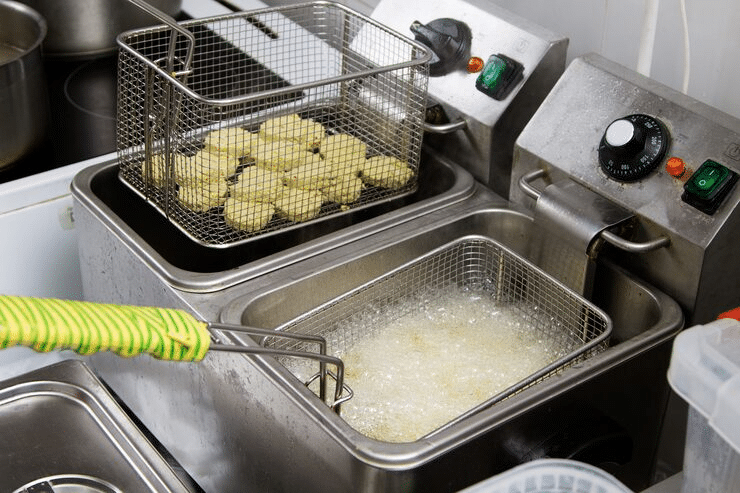
Future-Proofing Your Fryer Investment
Restaurants evolve, and equipment should keep up.
Look for commercial fryers for restaurants that offer:
- Modular designs
- Expansion capability
- Advanced controls
- Compatibility with oil filtration systems
Future-ready fryers support menu growth and changing customer demand.
Conclusion: Choosing the Right Commercial Fryers for Restaurants
Selecting the right commercial fryers for restaurants is a strategic investment that affects food quality, service speed, and profitability. By understanding fryer types, capacity requirements, operating costs, and maintenance needs, restaurant owners can make smarter, long-term decisions.
The best fryer is not always the most expensive—it’s the one that aligns with your menu, kitchen size, and production volume. Take time to assess your needs, plan for growth, and invest in reliable commercial fryers for restaurants that support consistent performance and customer satisfaction.
If this guide helped clarify your options, consider sharing it with fellow restaurant owners or saving it as a reference for your next kitchen upgrade.
A well-equipped kitchen is the foundation of every successful restaurant. By selecting high-quality restaurant kitchen equipments from alrazanaonline, you can boost productivity, streamline workflows, and create a professional kitchen environment that supports your team’s performance every day.











































































 Commercial Cooking Heaters