

Blog
Electric vs Gas Cooking Equipment for Restaurants : for Owners

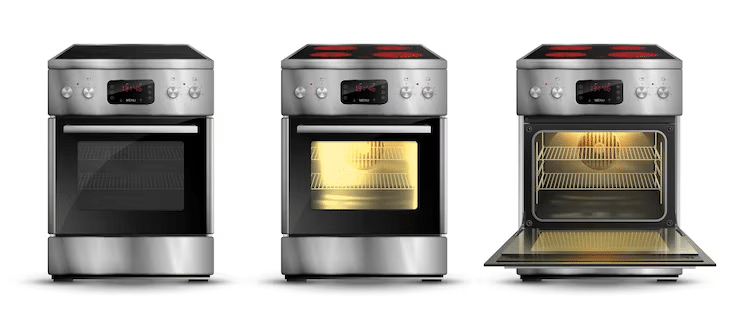
Choosing the right cooking equipment is one of the most critical decisions for any restaurant owner, chef, or foodservice manager. The debate around Electric vs Gas Cooking Equipment for Restaurants isn’t just about preference—it directly affects food quality, operating costs, safety, sustainability, and long-term profitability. Many restaurateurs struggle with this decision, unsure which option best fits their kitchen concept, budget, and future growth plans.
In this in-depth guide, we’ll break down everything you need to know about Electric vs Gas Cooking Equipment for Restaurants, compare performance and costs, and help you confidently choose the best solution for your commercial kitchen.
Why the Choice Between Electric and Gas Matters in Commercial Kitchens
Before diving into detailed comparisons, it’s important to understand why Electric vs Gas Cooking Equipment for Restaurants is such a high-impact decision. Commercial kitchens operate under intense pressure—high heat, fast service, and constant use. The wrong equipment can slow operations, increase utility bills, or even compromise safety.
Key factors influenced by this choice include:
- Cooking speed and temperature control
- Energy efficiency and monthly operating costs
- Installation and maintenance requirements
- Kitchen safety and staff comfort
- Environmental footprint and regulations
Understanding these factors early helps avoid costly mistakes later.
A well-equipped kitchen is the foundation of every successful restaurant. By selecting high-quality restaurant kitchen equipments from alrazanaonline, you can boost productivity, streamline workflows, and create a professional kitchen environment that supports your team’s performance every day.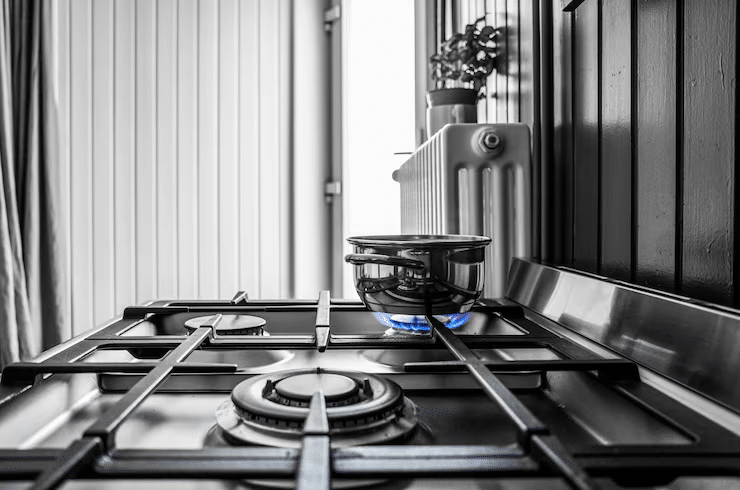
Electric vs Gas Cooking Equipment for Restaurants: Performance & Cooking Control
When chefs talk about performance, they usually mean responsiveness, heat control, and consistency.
Gas Cooking Equipment Performance
Gas equipment has long been the industry standard. Chefs love it for its:
- Instant heat and visible flame control
- Quick temperature adjustments
- Familiar cooking experience, especially for sautéing and stir-frying
However, gas heat can be uneven, and excess ambient heat can make kitchens uncomfortable during peak hours.
Electric Cooking Equipment Performance
Modern electric and induction equipment has evolved dramatically. Today’s electric units offer:
- Highly consistent and precise temperature control
- Even heat distribution across cooking surfaces
- Faster heat recovery in many applications
In the Electric vs Gas Cooking Equipment comparison, electric equipment now rivals—and sometimes surpasses—gas in performance, especially for baking, roasting, and precision cooking.
read more : Restaurant Grills and Griddles: How to Choose the Right Type for Your Kitchen
Electric vs Gas Cooking Equipment for Restaurants: Energy Efficiency & Utility Costs
Energy efficiency is one of the biggest long-term cost considerations.
Gas Equipment Efficiency
- Gas is often cheaper per unit than electricity
- Significant heat loss occurs through open flames
- Kitchens may need additional ventilation, increasing HVAC costs
Electric Equipment Efficiency
- Electric and induction units convert more energy directly into heat
- Less wasted heat means cooler kitchens and lower cooling expenses
- Induction cooking is among the most energy-efficient options available
When evaluating Electric vs Gas Cooking Equipment for Restaurants, many operators find that higher electric utility rates are often offset by better efficiency and lower ventilation costs.
Electric vs Gas Cooking Equipment for Restaurants: Installation & Infrastructure
Installation requirements can heavily influence upfront costs and timelines.
Gas Installation Considerations
- Requires gas lines, pressure regulators, and safety shutoff valves
- Ventilation systems must handle combustion gases
- Inspections and permits can be more complex
Electric Installation Considerations
- Requires sufficient electrical capacity and panel upgrades in some cases
- No combustion gases, simplifying ventilation needs
- Faster and more flexible installation in non-traditional spaces
For pop-up kitchens, food halls, and urban locations, Electric vs Gas Cooking Equipment for Restaurants often tips in favor of electric due to easier infrastructure requirements.
read more : Commercial Fryers for Restaurants: Types, Capacity & Cost
Electric vs Gas Cooking Equipment for Restaurants: Safety & Compliance
Safety is non-negotiable in professional kitchens.
Gas Safety Factors
- Open flames increase fire risk
- Gas leaks can be dangerous if undetected
- Requires regular inspections and staff training
Electric Safety Factors
- No open flames or combustion
- Reduced fire and explosion risks
- Safer working environment for staff
In many modern kitchens, Electric vs Gas Cooking Equipment decisions increasingly prioritize electric systems due to stricter safety regulations and insurance considerations.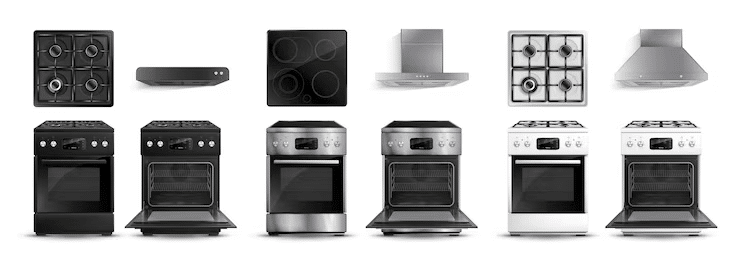
Electric vs Gas Cooking Equipment for Restaurants: Maintenance & Longevity
Maintenance costs can quietly eat into profits over time.
- Gas equipment often requires burner cleaning, pilot light maintenance, and gas line inspections
- Electric equipment generally has fewer moving parts and simpler maintenance routines
While both systems can last many years, Electric vs Gas Cooking Equipment for Restaurants comparisons often show lower long-term maintenance costs for electric units when properly installed.
Electric vs Gas Cooking Equipment for Restaurants: Environmental Impact & Sustainability
Sustainability is no longer optional—it’s a competitive advantage.
- Gas equipment relies on fossil fuels and produces direct emissions
- Electric equipment can run on renewable energy sources
- Induction cooking significantly reduces energy waste
Restaurants aiming for green certifications or eco-conscious branding increasingly favor electric options in the Electric vs Gas Cooking Equipment debate.
Actionable Tips for Choosing the Right Cooking Equipment
If you’re still undecided, here’s how to approach Electric vs Gas Cooking Equipment for Restaurants strategically:
- Analyze your menu: High-heat wok cooking may favor gas, while baking and precision cooking suit electric.
- Review local utility costs: Compare real energy prices, not assumptions.
- Consider kitchen size and ventilation: Electric works better in compact or enclosed spaces.
- Think long-term: Energy savings, maintenance, and sustainability add up over time.
- Test before committing: Many suppliers offer demos—use them.
read more : Commercial Cooking Equipment for Restaurants in UAE: Buying & Capacity Guide
Conclusion: Making the Smart Choice for Your Kitchen
The debate over Electric vs Gas Cooking Equipment for Restaurants ultimately comes down to your restaurant’s unique needs, goals, and future vision. Gas remains a trusted option for traditional cooking styles, while electric equipment offers unmatched efficiency, safety, and sustainability.
By carefully evaluating performance, costs, safety, and environmental impact, you can choose equipment that enhances food quality, supports your staff, and improves your bottom line. If you found this guide helpful, share it with fellow restaurant owners, explore related resources, or drop your questions in the comments—we’d love to hear about your experience with Electric vs Gas Cooking Equipment for Restaurants.
A well-equipped kitchen is the foundation of every successful restaurant. By selecting high-quality restaurant kitchen equipments from alrazanaonline, you can boost productivity, streamline workflows, and create a professional kitchen environment that supports your team’s performance every day.






































































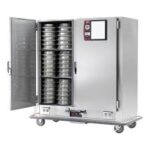 Commercial Cooking Heaters