
Blog
How to Design a Restaurant Kitchen Layout for High Efficiency

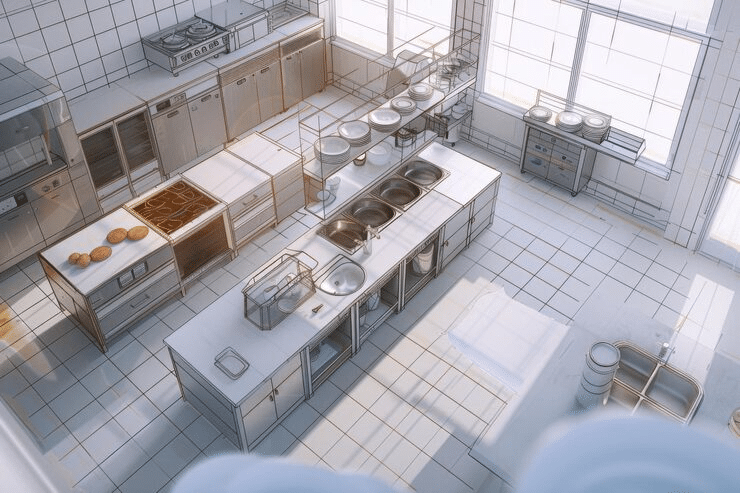
When it comes to running a successful restaurant, the kitchen layout plays a critical role in ensuring smooth operations and high efficiency. A well-designed restaurant kitchen layout is the backbone of any efficient foodservice establishment. It affects everything from food preparation speed to staff safety and overall customer satisfaction. However, creating a functional kitchen layout requires careful planning, taking into account factors such as space constraints, workflow optimization, and equipment needs.
In this article, we will explore how to design a restaurant kitchen layout that maximizes efficiency, improves staff productivity, and ensures the best possible customer experience. Whether you’re designing a new kitchen or remodeling an existing one, these tips will help you achieve a layout that works.
The Importance of a Well-Designed Restaurant Kitchen Layout
A restaurant kitchen design is more than just arranging cooking equipment in a room. It is about creating a strategic flow that minimizes steps and time spent moving between stations. A poor kitchen layout can lead to chaos, slow service, safety hazards, and increased operational costs.
Here are some reasons why an effective restaurant kitchen layout design is essential:
- Increased Efficiency: With the right layout, tasks like cooking, cleaning, and food prep can be done faster and with fewer obstacles.
- Enhanced Safety: A well-designed kitchen ensures that safety protocols are easier to follow, reducing the risk of accidents.
- Better Staff Morale: A functional layout reduces frustration and stress among kitchen staff, leading to higher productivity and job satisfaction.
- Cost Savings: Streamlining workflows can reduce waste, prevent equipment damage, and cut down on labor costs.
read more : Restaurant Kitchen Setup in UAE: Complete Planning, Equipment & Cost Guide
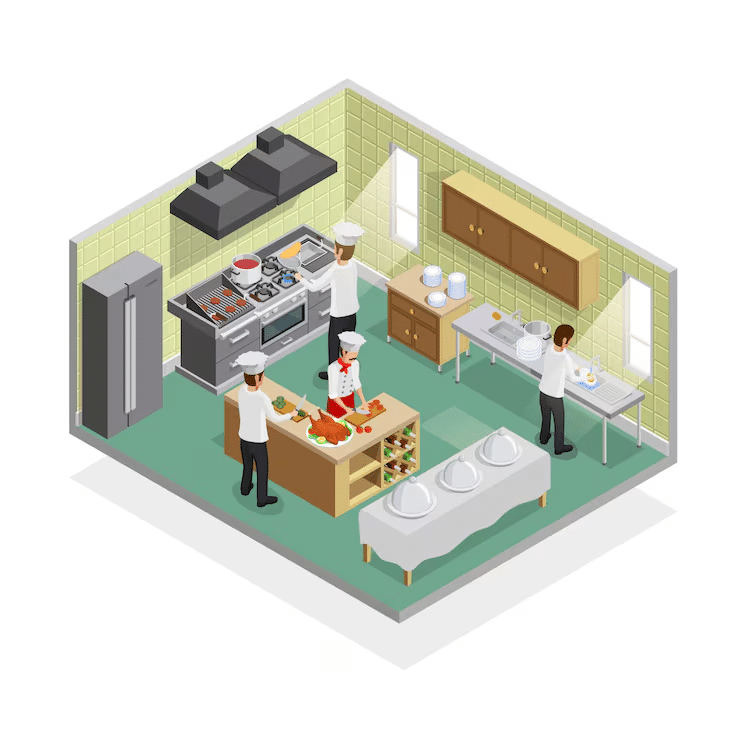
Key Considerations for a Restaurant Kitchen Layout Design
Before diving into the specifics of kitchen layout options, it’s crucial to consider some important factors that will guide the design process. By focusing on the following elements, you can design a layout that fits your restaurant’s specific needs:
Contact Our Expert Team for Your Restaurant Design Needs
Looking to create a kitchen layout that maximizes efficiency? Connect with our experts at Al Razana Online for customized restaurant designs tailored to your needs. Get in touch today to discuss your project with us!
1. Space Availability and Constraints
The first thing to evaluate when planning a restaurant kitchen layout is the space you have. Kitchen layouts can vary widely based on the size of the restaurant and the type of cuisine being prepared. Some kitchens may have expansive spaces, while others need to be more compact and creative with their designs.
In larger kitchens, you have the luxury of creating multiple cooking zones and separating stations, while smaller kitchens will need a more streamlined approach to maximize space.
2. Menu Type and Equipment Needs
A restaurant that serves complex dishes requiring a variety of specialized tools will need a different kitchen layout than one that focuses on simple, fast-cooking foods. Restaurant kitchen design should align with the menu’s complexity and the specific equipment required.
For example:
- A fast food restaurant kitchen design will prioritize fryers, grills, and assembly stations.
- A fine dining restaurant will likely need an extensive range of cooking equipment, including stoves, ovens, prep areas, and specialized equipment like sous-vide machines.
Consider your menu and how your kitchen will support it when choosing equipment and creating designated workstations.
3. Kitchen Workflow and Staff Movement
One of the most crucial elements of an efficient restaurant kitchen layout design is workflow. Think of the kitchen as a series of interconnected workstations, each responsible for a specific task in the food preparation process. The layout should ensure that ingredients flow logically through each station with minimal cross-traffic or delays.
A typical kitchen workflow should move from raw ingredient storage to preparation, cooking, plating, and serving. This setup helps to minimize the number of steps between each stage and keeps your kitchen organized.
Types of Restaurant Kitchen Layouts to Consider
There are several proven restaurant kitchen design layouts, each suited to different types of establishments. Below are some of the most popular options, along with their benefits:
1. The Assembly Line Layout
In an assembly line layout, the kitchen is organized so that food moves through a linear process from one station to the next. Each staff member is responsible for one specific task, such as cutting, frying, or garnishing.
Best for: Fast-casual restaurants, fast food establishments, and cafeterias. This layout works well for high-volume kitchens where efficiency and speed are critical.
Benefits:
- Reduces wait time for customers.
- Helps streamline the cooking process.
- Allows for easy training of staff.
2. The Island Layout
The island layout features a central cooking station with all other workstations surrounding it. This design is popular in larger kitchens, where the central island is used for high-heat cooking or food preparation.
Best for: Fine dining restaurants, large kitchens, and those that prepare complex dishes requiring multiple cooking methods.
Benefits:
- Facilitates communication between staff members.
- Offers flexibility in equipment placement.
- Great for open-kitchen concepts, allowing customers to see the cooking process.
3. The Zone-Based Layout
A zone-based layout divides the kitchen into distinct sections, each dedicated to a particular type of work. These sections might include food prep, cooking, baking, and cleaning.
Best for: Large restaurants with varied menus, catering services, and kitchens requiring distinct cooking zones.
Benefits:
- Optimizes specialized tasks and equipment.
- Keeps different food preparation areas isolated to prevent cross-contamination.
- Enhances overall kitchen organization.
4. The Galley Layout
In a galley kitchen, workstations are arranged along two parallel walls with a central aisle. This layout is efficient and compact, perfect for restaurants with limited space.
Best for: Smaller restaurants, food trucks, or any kitchen with space constraints.
Benefits:
- Maximizes space in narrow kitchens.
- Promotes efficient movement between stations.
- Great for smaller teams.
read more : Restaurant Kitchen Equipment Checklist for New Restaurants
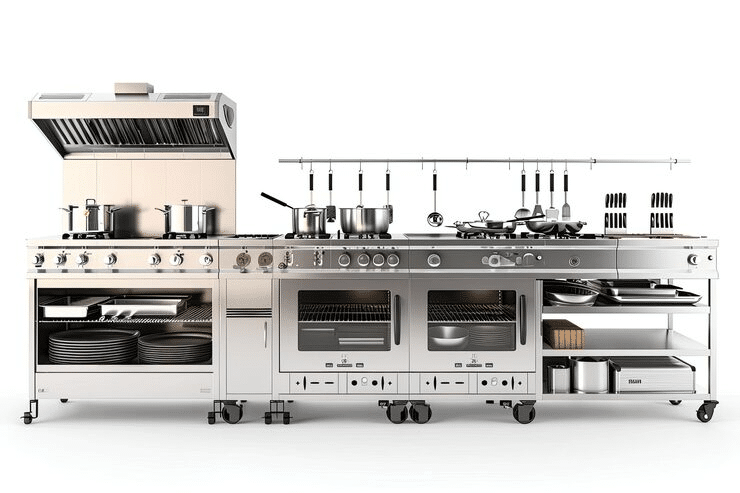
Tips for Optimizing Your Restaurant Kitchen Layout Design
Creating a high-efficiency restaurant kitchen layout is not just about choosing the right arrangement of stations—it’s also about fine-tuning the details to ensure that every aspect of your kitchen runs smoothly. Here are some actionable tips for optimizing your layout:
1. Consider the Flow of Ingredients
Ensure that raw ingredients flow naturally through the cooking process. Keep storage areas near the preparation zones and avoid unnecessary backtracking. For example, don’t place refrigerators or dry storage areas far from prep areas, as this will add extra time to food preparation.
2. Maximize Vertical Space
In kitchens with limited space, maximizing vertical space is key. Install shelving or cabinets above workstations to store equipment, utensils, or ingredients. This will free up counter space and ensure that everything you need is within arm’s reach.
3. Plan for Flexibility
Your kitchen layout should be adaptable to changing needs. If your restaurant expands or your menu changes, the layout should allow for easy reconfiguration. Modular kitchen equipment and movable prep stations can help achieve this flexibility.
4. Prioritize Safety
Safety should always be a top priority when designing your restaurant kitchen layout. Ensure that walkways are clear, hot equipment is isolated, and staff can easily access first-aid supplies and fire extinguishers. Following OSHA regulations and local health codes is critical.
5. Incorporate Technology
Consider integrating smart technology into your kitchen, such as temperature monitoring systems, automated inventory tracking, or smart cooking equipment. These tools can help improve efficiency, reduce errors, and streamline operations.
Conclusion: Building the Perfect Restaurant Kitchen Layout Design
Designing a restaurant kitchen layout is a complex but essential process that can significantly affect the success of your restaurant. A thoughtful, well-planned layout enhances efficiency, reduces costs, boosts staff productivity, and provides a safe working environment. By considering your space, menu, equipment needs, and workflow, you can create a kitchen that supports your business goals and improves the overall dining experience.
Remember, every restaurant is unique, so there is no one-size-fits-all solution. However, by following the tips and strategies outlined in this article, you can design a restaurant kitchen layout that works for your specific needs.
If you found this article helpful, don’t forget to share it with other restaurant owners or kitchen designers who could benefit from these insights. And feel free to leave a comment or ask questions about your own kitchen design challenges—we’d love to hear from you!
Contact Our Expert Team for Your Restaurant Design Needs
Looking to create a kitchen layout that maximizes efficiency? Connect with our experts at Al Razana Online for customized restaurant designs tailored to your needs. Get in touch today to discuss your project with us!

































































 Commercial Cooking Heaters